



Pressure and temperature gauges are vital instruments in various industries, acting as the sentinels that monitor the health of systems ranging from industrial machinery to HVAC units. Their accurate readings are critical for maintaining safety, efficiency and function. However, like any mechanical device, pressure and temperature gauges are susceptible to failures that can compromise their accuracy and reliability.
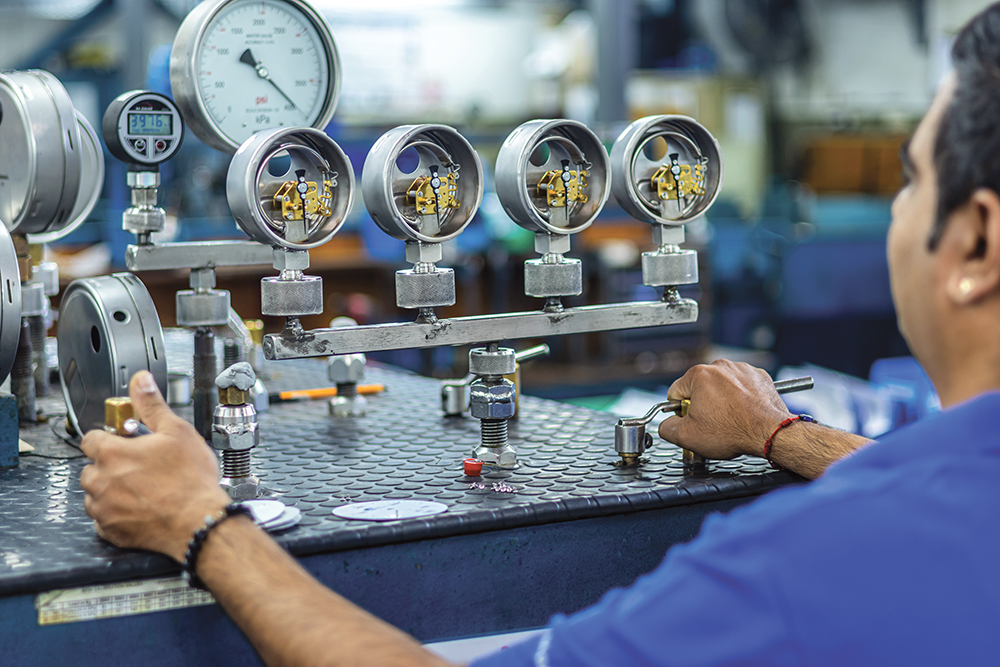
When these gauges fail, the consequences can be severe, leading to malfunctions, downtime, or even catastrophic failure. Understanding the mechanisms behind their failure is essential for maintaining accurate readings, preventing costly downtime, and ensuring safety in various applications. This article will examine the common causes of gauge failure, from manufacturing defects to prolonged exposure to harsh conditions, offering insights into preventing these issues, and selecting appropriate gauges for specific applications.

Mechanical failure
The seemingly straightforward task of measuring pressure or temperature can be fraught with complexities. One of the primary reasons pressure and temperature gauges fail is due to mechanical issues. These instruments are exposed to varying degrees of pressure or temperature fluctuations, and sometimes rough handling.
Common mechanical failures include:
Wear and tear: Pressure and temperature gauges, while often robust, are not immune to wear, tear, and environmental influences. Over time, even well-maintained gauges experience wear and tear. Mechanical components like springs, diaphragms, and pointers can lose their elasticity or become worn, impacting accuracy and leading to failure.
Temperature extremes: Exposure to excessively high or low temperatures can cause thermal stress on the gauge’s components, leading to warping, cracking, or material fatigue. This is particularly relevant in applications involving fluctuating temperatures, such as industrial ovens or cryogenic storage tanks.
Physical damage: Constant vibration or sudden shocks can cause internal components to loosen, misalign or break, leading to inaccurate readings or complete failure. This is a concern in machinery or transportation systems where gauges are subject to constant movement.
Corrosion: Exposure to corrosive substances or environments can significantly degrade the gauge’s metal components, leading to pitting, rust, and eventually leaks or complete failure. This is a significant concern in chemical processing plants or marine applications. Regular maintenance and periodic inspection can help mitigate these mechanical failures.
Calibration issues
Calibration is essential for ensuring that pressure and temperature gauges provide accurate readings. Miscalibration can occur for several reasons:
Environmental changes: Temperature changes in the environment can affect calibration settings, especially in outdoor or uncontrolled environments.
Neglecting calibration protocols: Failure to follow routine calibration checks can lead to drift over time. It is essential to establish a regular calibration schedule to maintain accuracy and performance.
Improper Installation: Incorrect installation may affect gauge readings, and can lead to the need for recalibration.
Poor material selection: The materials used in the gauge’s construction can play a critical role in its longevity. If the materials are not suitable for the intended operating conditions (e.g., high temperatures, corrosive substances), they can degrade rapidly, leading to leaks, malfunctions, or even catastrophic failures.
Understanding the importance of calibration can help users maintain the reliability of their gauges.
Fluid and gas contamination
Pressure and temperature gauges are often exposed to gases and liquids that can cause contamination. This can happen due to:
Leaking fluids: In fluid-filled gauges, leaks can introduce contaminants that affect gauge performance.
Particulate matter: Dust, debris and other particulates can enter the gauge, obstructing moving parts and leading to inaccurate readings or complete failure.
Chemical reactions: Certain fluids can corrode or degrade internal components of the gauge. Using gauges not compatible with specific fluids can lead to accelerated wear and premature failure. Proper filtration and preventive measures can go a long way in preventing contamination-related issues.
Temperature and pressure extremes
Even with proper manufacturing and environmental controls, operational issues can cause pressure and temperature gauge failures. Pressure and temperature gauges are designed to operate within a specific range. Exceeding these limits can result in:
Overpressure: Subjecting a pressure gauge to pressures higher than its rated capacity can cause rupture or failure of internal components.
High temperature: Similarly, exposure to temperatures beyond the gauge’s specifications may damage sensors and reading mechanisms.
Thermal shock: Sudden changes in temperature can lead to thermal shock, which may result in cracks or other forms of physical damage.
It is crucial to select gauges that are rated for the specific operating conditions, to reduce the likelihood of failures caused by operating outside of acceptable limits.
Poor quality components
The quality of a pressure or temperature gauge hinges on meticulous manufacturing processes. Sometimes, the quality of the gauge itself compromises functionality.
Factors include:
Manufacturing defects: Inconsistencies in manufacturing can lead to gauges that do not meet quality standards.
Material choice: Low-quality materials can fail prematurely, particularly in harsh environments. It is important to choose gauges built with robust materials suitable for their intended application. If the materials are not suitable for the intended operating conditions (e.g., high temperatures, corrosive substances), they can degrade rapidly, leading to leaks, malfunctions or even catastrophic failures.
Imperfect seals and connections: Leaks in the gauge’s seals or connections are a common source of failure. These imperfections can allow pressure or temperature to escape, leading to inaccurate readings or, in severe cases, system damage. A faulty seal in a high-pressure pipeline can result in a major leak and safety hazard.
Lack of certification: Gauges that lack proper testing and certification may not provide the reliability and performance expected in critical applications.
Investing in high-quality gauges from reputable manufacturers can significantly reduce failure rates.
Conclusion: Proactive maintenance and selection
Pressure and temperature gauges perform a crucial function in ensuring the efficiency and safety of systems. However, when these devices fail, it can lead to significant repercussions. By understanding the common causes of gauge failures, including mechanical failure, calibration issues, fluid contamination, temperature extremes, and poor-quality components,
users can take proactive measures to maintain the efficiency and accuracy of their monitoring systems.
Ultimately, regular maintenance, adherence to operating conditions and investing in high-quality gauges can ensure that these essential instruments continue to provide reliable performance, helping prevent larger operational problems. By understanding the potential causes and implementing proactive strategies, we can minimise the risk of failure.
These strategies include:
Regular calibration and maintenance: Regular calibration and maintenance checks are crucial for ensuring the accuracy and reliability of pressure and temperature gauges.
Selecting gauges appropriate for the application: Carefully selecting gauges that match the specific operating conditions (temperature range, pressure range, corrosive environments) is critical.
Proper installation procedures: Following proper installation procedures and using appropriate mounting methods can minimise the risk of damage or leaks.
Monitoring environmental conditions: Gauges should be installed in environments that minimise exposure to extreme temperatures, corrosion and vibration.
This knowledge is essential for maintaining safety, efficiency and accuracy in diverse industries and scientific research.
| Tel: | +27 11 021 8082 |
| Email: | [email protected] |
| www: | www.sagauge.com |
| Articles: | More information and articles about SA Gauge |






© Technews Publishing (Pty) Ltd | All Rights Reserved

 printer friendly version